Article Summary
This pricing guide breaks virtual staging cost into three practical layers: per photo, per listing, and monthly production volume. It includes AI vs manual comparisons, budget scenarios for solo agents and teams, and a simple ROI framework using carrying costs and time-on-market assumptions. The goal is to help operators choose the right staging model without guesswork.
Virtual Staging Cost: The 3 Numbers That Actually Matter
Most pricing guides stop at cost per image. That is useful, but incomplete.
For real workflows, you should price virtual staging at three levels:
- Per photo (unit economics)
- Per listing (campaign economics)
- Per month (operational economics)
If you only optimize one of these, you usually overpay somewhere else.
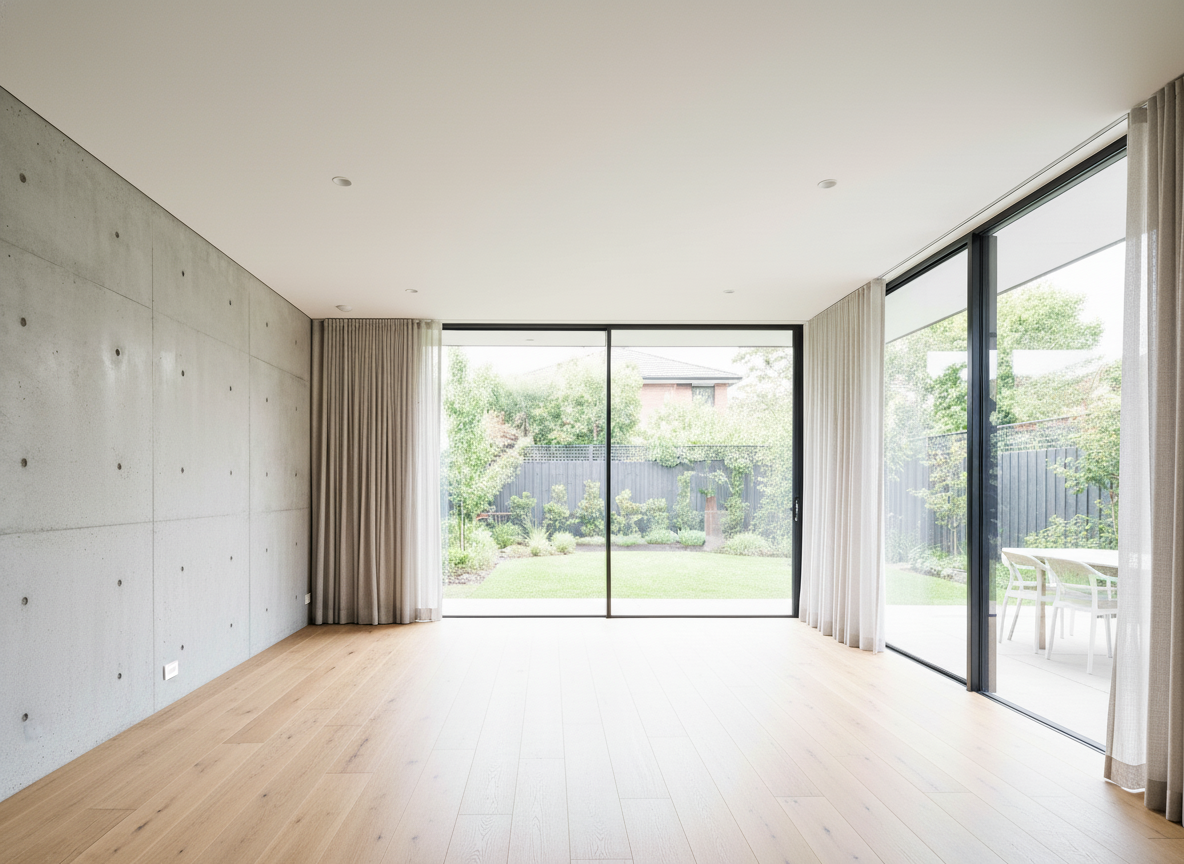
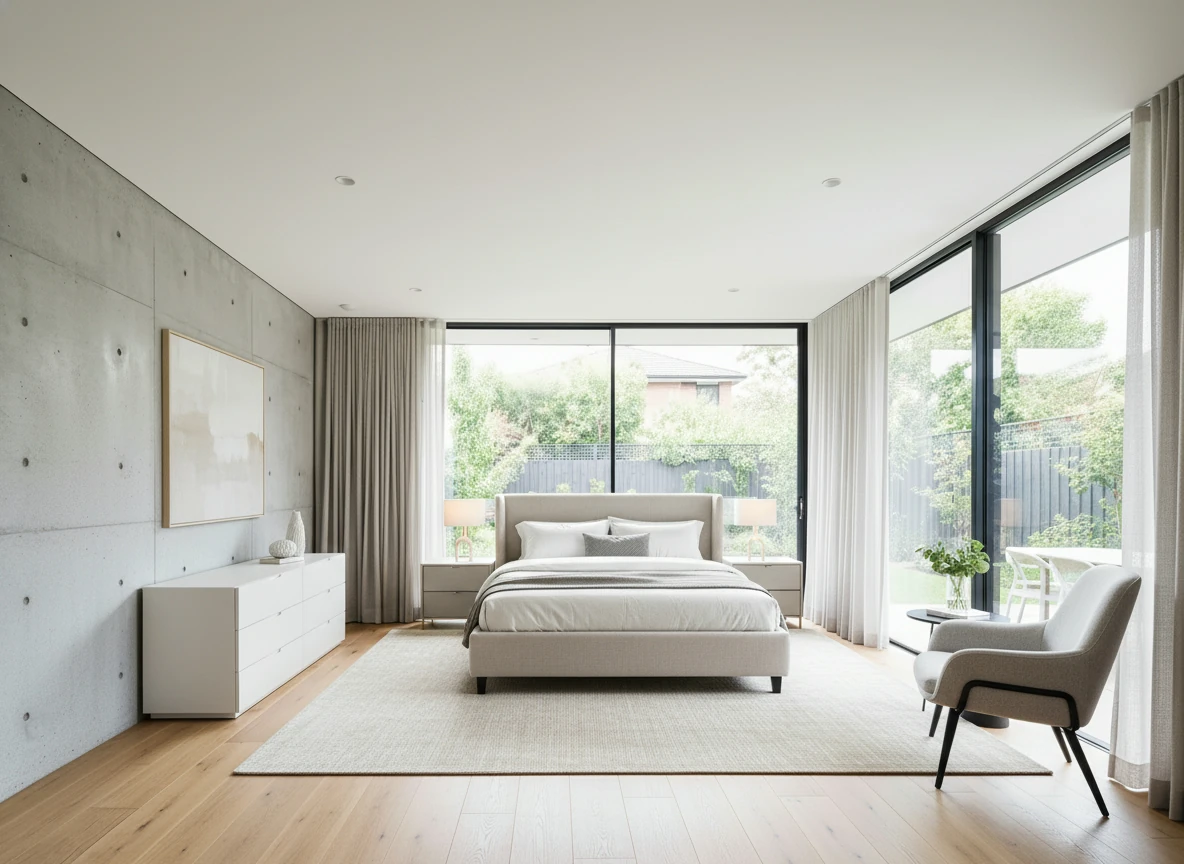
Virtual Staging • Modern • Bedroom
Illustrative AI-staged example used to show pricing context and expected output quality.
1) Cost Per Photo (Unit Economics)
Typical market ranges in 2026:
- AI staging: ~$0.05–$0.50 per image
- Manual staging services: ~$16–$75 per image
- Physical staging equivalent: not directly per image; usually property-level spend
Why per-photo pricing can be misleading
Per-photo price alone hides two major drivers:
- revision policy (unlimited vs paid revisions)
- turnaround speed (seconds vs days)
A $0.20 image with instant retries can outperform a $24 image if your team runs frequent listing updates.
2026 market snapshots (public pricing pages)
Recent public pages still show a wide spread in pricing models:
- Traditional/editor-assisted providers commonly publish per-image pricing around $20+.
- AI-first plans frequently compress costs into sub-$1 to low-single-digit per image ranges at volume.
- Credit-based products can look cheap at entry, but practical cost depends on revision rules and whether credits expire.
Treat list prices as a starting point. Real cost depends on your revision loop, publish cadence, and monthly listing volume.
2) Cost Per Listing (Campaign Economics)
For most residential listings, teams publish 6–12 staged images.
Example scenarios
| Listing type | Staged images | AI range | Manual range |
|---|---|---|---|
| Condo / starter home | 6 | $0.60–$3.00 | $96–$450 |
| Typical single-family | 8–10 | $0.80–$5.00 | $128–$750 |
| Premium / larger listing | 12–16 | $1.20–$8.00 | $192–$1,200 |
Practical note
If your workflow includes style testing (e.g., modern vs transitional), AI-based cost per listing stays manageable. Manual staging becomes expensive fast once revision loops begin.
3) Cost Per Month (Operational Economics)
This is where most teams discover their true cost model.
Monthly planning examples
| Monthly listing volume | Avg staged images/listing | Total images/month | AI spend (typical) | Manual spend (typical) |
|---|---|---|---|---|
| 8 listings | 8 | 64 | $6–$64 | $1,024–$4,800 |
| 20 listings | 8 | 160 | $16–$160 | $2,560–$12,000 |
| 40 listings | 10 | 400 | $40–$400 | $6,400–$30,000 |
For teams, the monthly model usually decides whether you can scale content refreshes and A/B style tests.
AI vs Manual: Decision Rule (Fast)
Choose AI-first when you need:
- same-day publication
- multi-style testing
- high listing volume
- repeatable throughput
Choose manual when you need:
- one-off premium creative direction
- highly custom designer touch
- unusual spaces where strict art direction matters
Most teams should run a hybrid policy:
- AI by default
- manual only for premium exceptions
Simple ROI Framework
Use this quick formula:
ROI = (time saved × daily carrying cost + conversion uplift value − staging cost) / staging cost
Example
- 1 listing
- 9 staged images via AI at $0.10/image = $0.90
- 14 days faster sale pace
- carrying cost = $85/day
Value from speed ≈ 14 × 85 = $1,190
Estimated ROI ≈ (1,190 − 0.90) / 0.90 = 1,321x
Even with conservative assumptions, staging cost is usually a rounding error compared with time-on-market economics.
Common Pricing Mistakes
- Comparing only list price, not revision policy
- Ignoring turnaround cost in active listings
- Staging low-impact rooms while skipping high-impact ones
- No style test process before final publish
- No monthly budget cap/threshold per team
Recommended Operating Playbook
- Stage high-impact rooms first (living room, primary bedroom, kitchen)
- Set a default style profile by neighborhood segment
- Cap revisions by rule (e.g., 2 passes before publish)
- Track cost per listing and per won listing monthly
- Keep manual staging as an exception path
FAQ
How much should I budget per listing for virtual staging?
For typical listings, budget by image count first (usually 6–12), then stress-test one style revision cycle.
Is manual staging ever worth it?
Yes—mostly for premium creative listings where bespoke art direction is core to your positioning.
Should I buy subscription packages?
If you stage consistently every month, volume pricing usually wins over ad-hoc purchasing.
What KPI should I track first?
Start with cost per listing and days-to-publish. Those two metrics expose most inefficiencies.
Next Step
If you want a practical baseline: run one month with AI-first staging, log cost per listing and publish latency, then compare against your current manual process.
For implementation details and broader cost guidance, see: