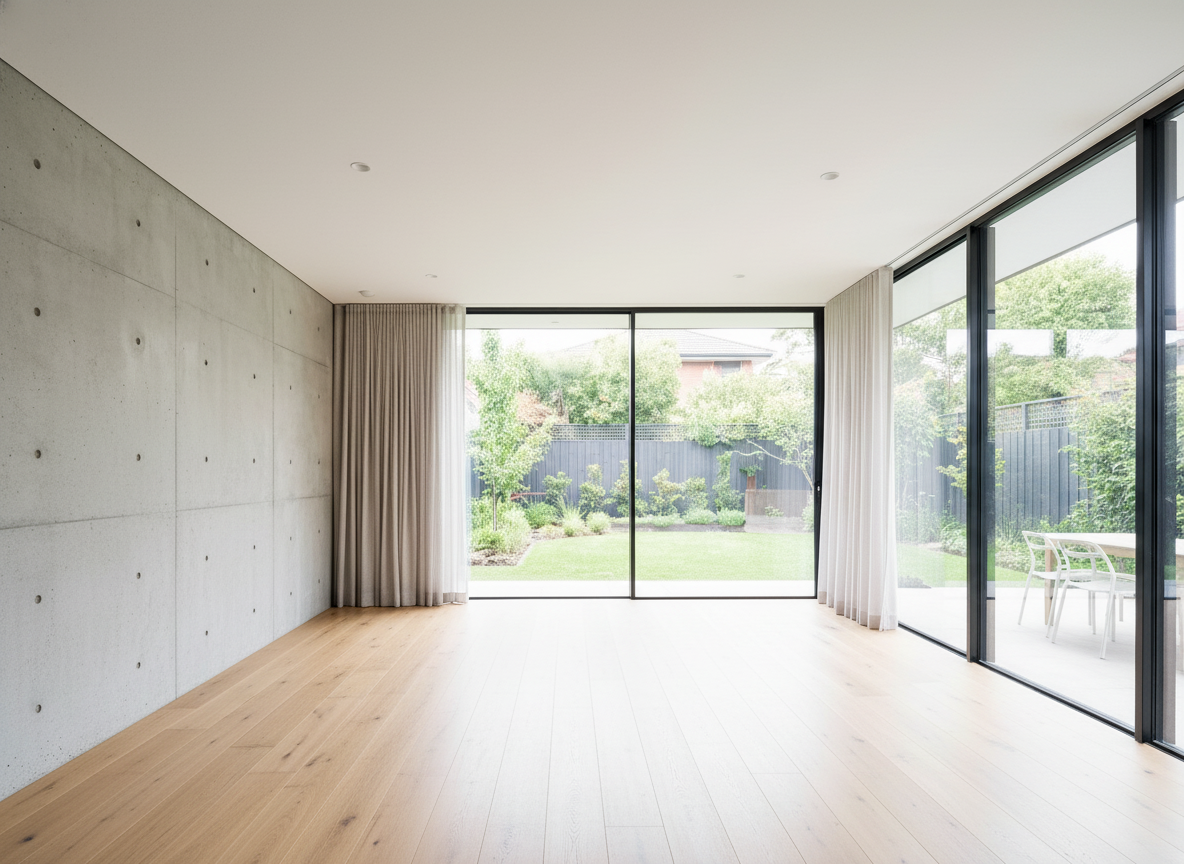
An empty bedroom photo often makes buyers ask the same question: "Will my furniture fit here, and how would this room actually feel?"
That gap is where bedroom virtual staging performs best. Instead of generic decor, the goal is to create a believable layout that keeps circulation clear, preserves room architecture, and helps buyers imagine daily use. In this guide, we’ll show three bedroom staging directions (Modern, Scandinavian, Luxury) and explain when to use each.
If you’re new to AI staging workflows, start with What Is Virtual Staging? and then compare visual references in Virtual Staging Examples.
The 3 rules we used for image generation
For this article, each generated image follows a strict quality chain:
- Input image comes from internal registry history (not random web images).
- Input is a legit empty room (verified by task lineage + visual check before submit).
- Output is reviewed visually after generation for realism, structure preservation, and listing readiness.
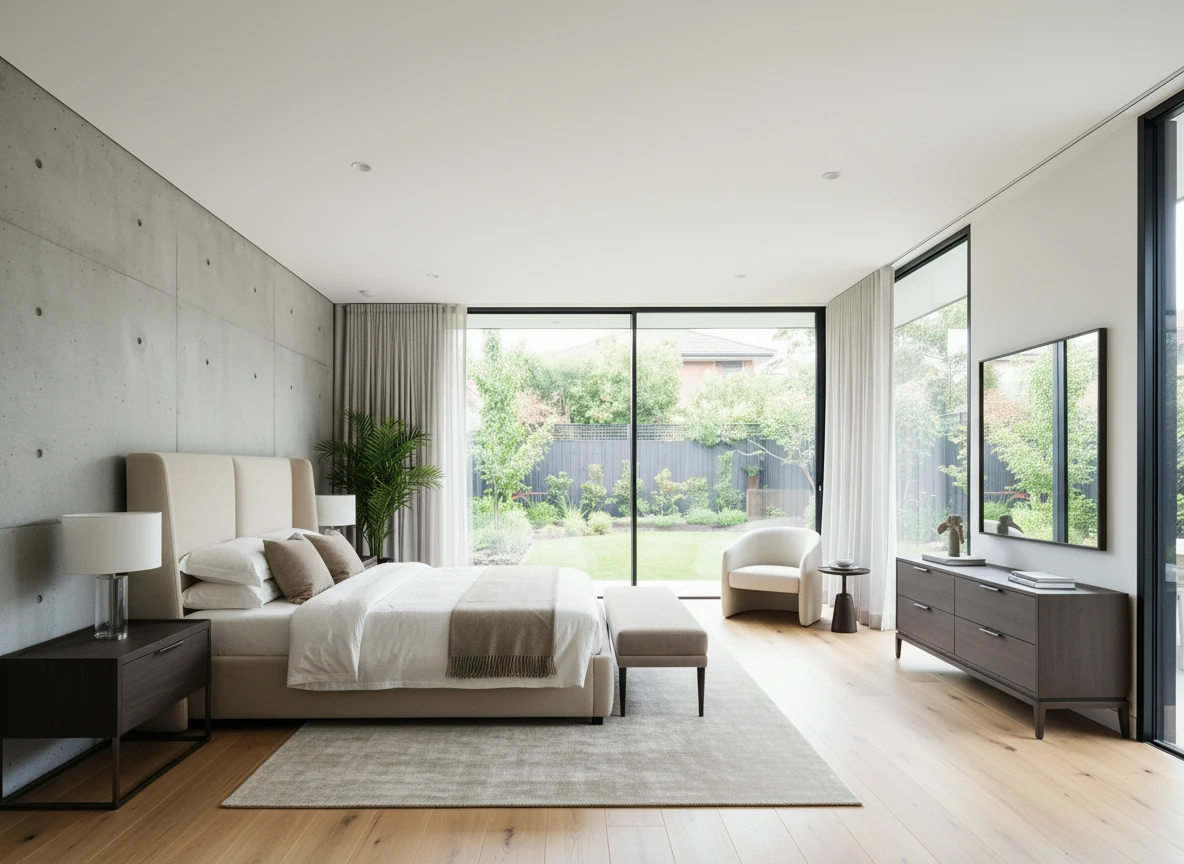
Style Idea #1: Minimal Modern Bedroom
Best when your listing has clean architectural lines, large glazing, or contemporary finishes.
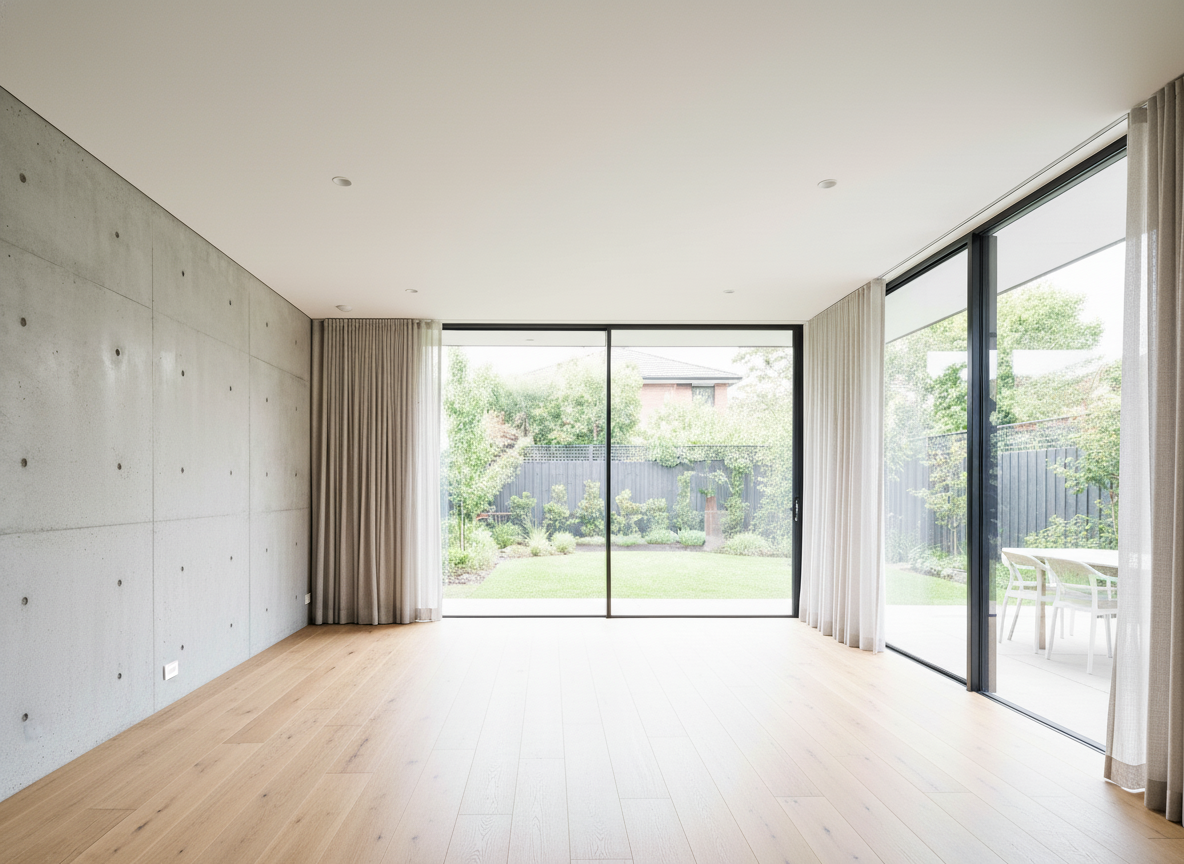
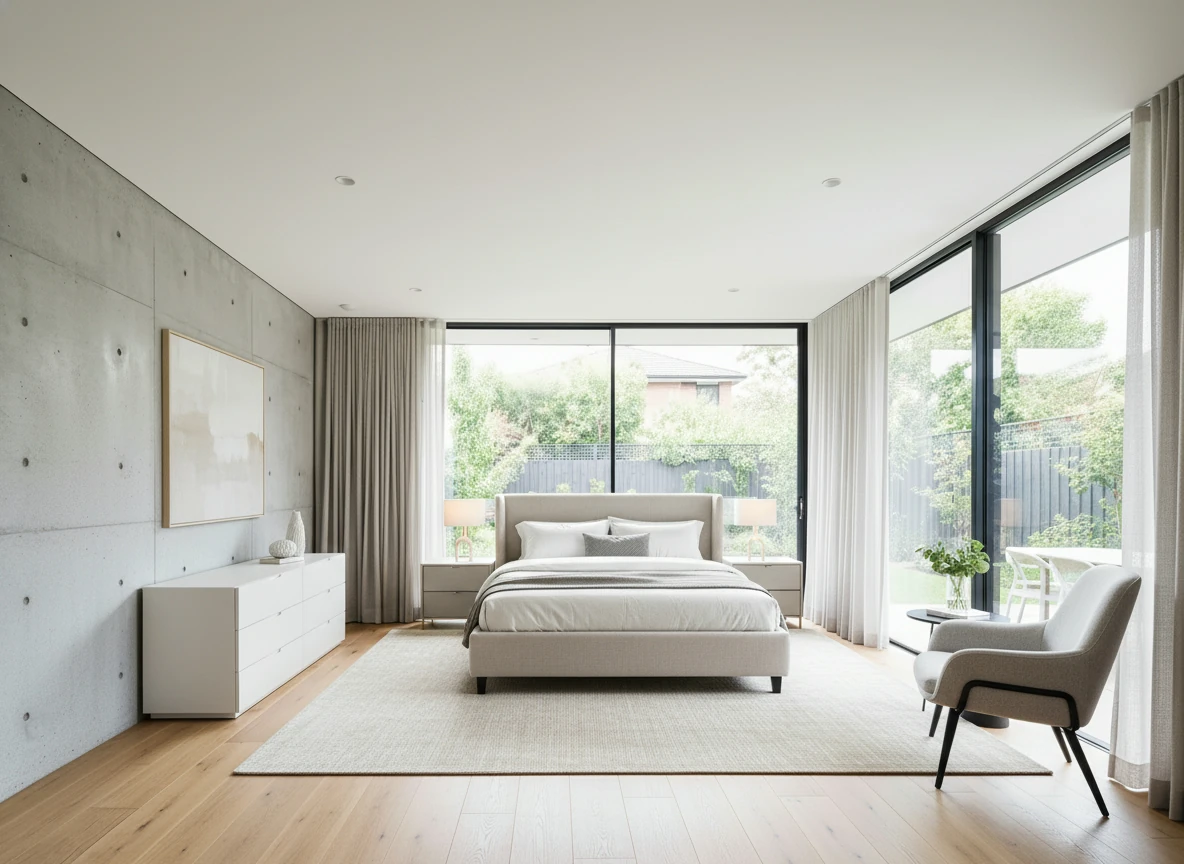
Virtual Staging • Modern • Bedroom
Why this works:
- Low-profile bed and neutral palette keep visual clutter down.
- Walkways stay open on both sides of the bed.
- Existing room character (concrete wall + glass facade) remains the focal point.
Style Idea #2: Scandinavian Bedroom for Broad Appeal
Best for mainstream buyer audiences where you want “bright, clean, easy to move into.”
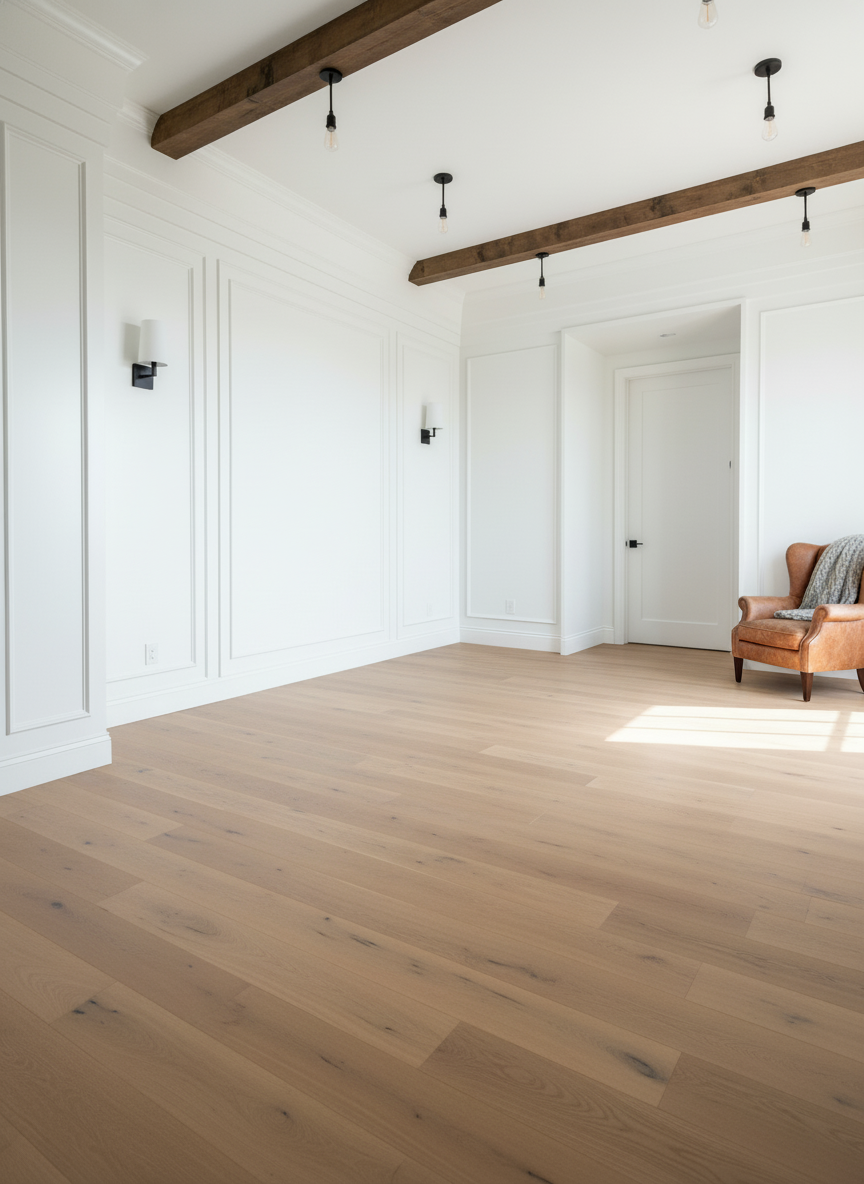
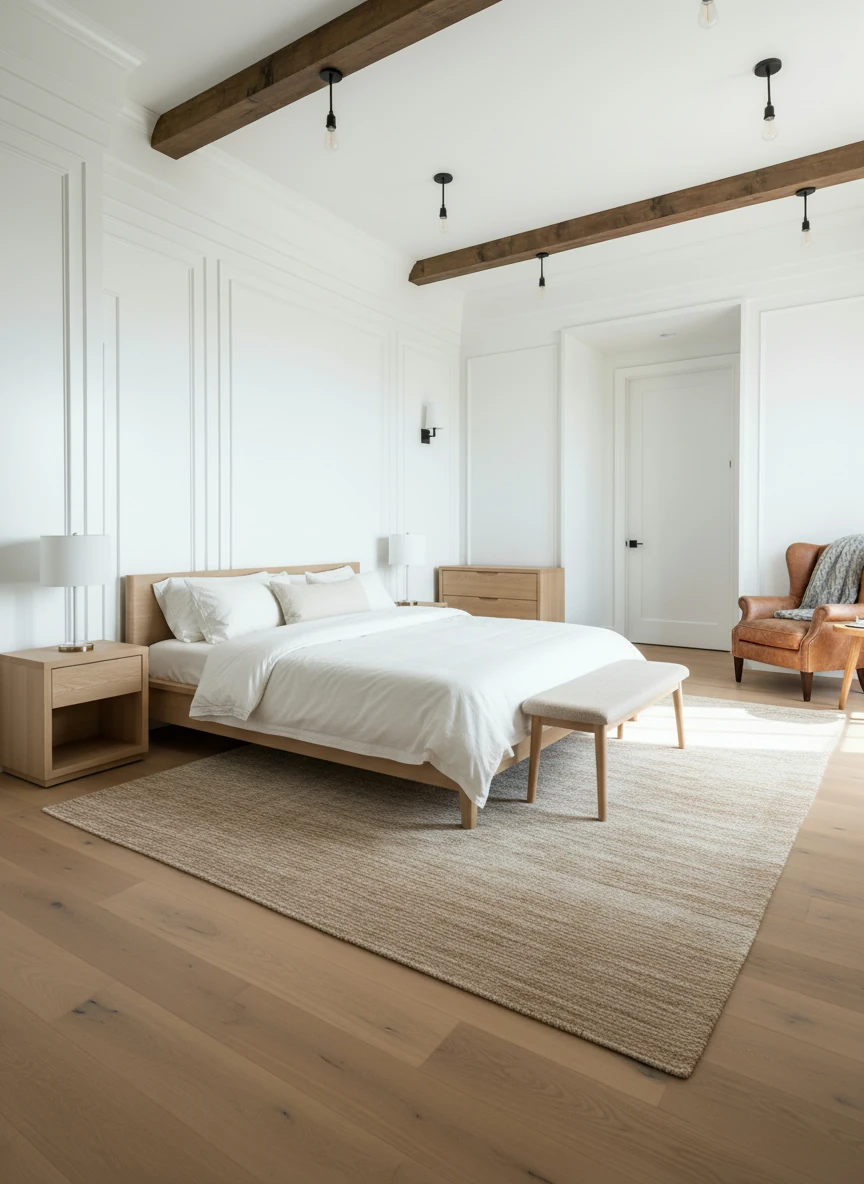
Virtual Staging • Scandinavian • Bedroom
Why this works:
- Light woods and soft neutrals increase perceived brightness.
- Furniture scale is realistic for the room boundaries.
- Secondary nook is staged as a useful mini-retreat instead of dead space.
Style Idea #3: Luxury Primary Bedroom Positioning
Best for higher price bands where buyers expect emotional “wow” and premium finishes.
Virtual Staging • Luxury • Bedroom
Why this works:
- Larger statement headboard signals premium positioning.
- Layered textures add depth while keeping color choices neutral.
- Layout still respects original windows and room geometry.
How to choose the right bedroom style per listing
Use this quick decision framework:
- Modern → urban/new-build listings, minimalist architecture.
- Scandinavian → widest demographic fit, safe default for speed.
- Luxury → premium properties where aspiration drives clicks.
Then keep style consistent across the rest of the listing gallery so buyers don’t feel visual whiplash between rooms.
For cost planning and package strategy, see Virtual Staging Cost Breakdown.
Common bedroom staging mistakes to avoid
- Oversized bed blocking circulation routes.
- Furniture that ignores window and door access.
- Overdecorated surfaces that look synthetic.
- Style mismatch between the bedroom and the rest of the property photos.
FAQ
Should I stage every bedroom in a listing?
Not always. Stage the primary bedroom first, then secondary bedrooms only when they need clearer function or stronger visual appeal.
Is one style enough, or should I test multiple?
For important listings, test 2-3 style variants on one hero bedroom and choose the strongest click-driving option.
Can I use the same empty-room input for multiple styles?
Yes. That’s often the fastest way to compare positioning (Modern vs Scandinavian vs Luxury) while keeping architecture constant.
What makes a bedroom staging output “good enough” for publishing?
Realistic lighting, believable furniture scale, preserved room structure, and a clean MLS-ready composition.
Does virtual staging help occupied rooms too?
Yes, but performance is strongest when the source image is clean and uncluttered. Empty-room inputs are usually most predictable.
See also
- What Is Virtual Staging?
- Virtual Staging Examples
- Virtual Staging Guide
- Virtual Staging for Real Estate
- Virtual Staging Cost Breakdown (Per Photo, Per Listing, Per Month)
Final takeaway
Bedroom virtual staging performs best when it’s context-aware, not just decorative. Start with verified empty-room inputs, pick room-appropriate settings, and do a final visual QA pass before publishing. That process gives you more reliable outputs and stronger buyer imagination at first glance.
Ready to test styles on your own photos? Try StagerGo.