If you are comparing virtual staging cost options, the useful question is not just “price per image.”
The real question is: how many days can staging remove from time-on-market, and is that value larger than your staging spend?
This calculator-style guide gives you a clear way to estimate ROI with assumptions you can actually defend in a listing review.
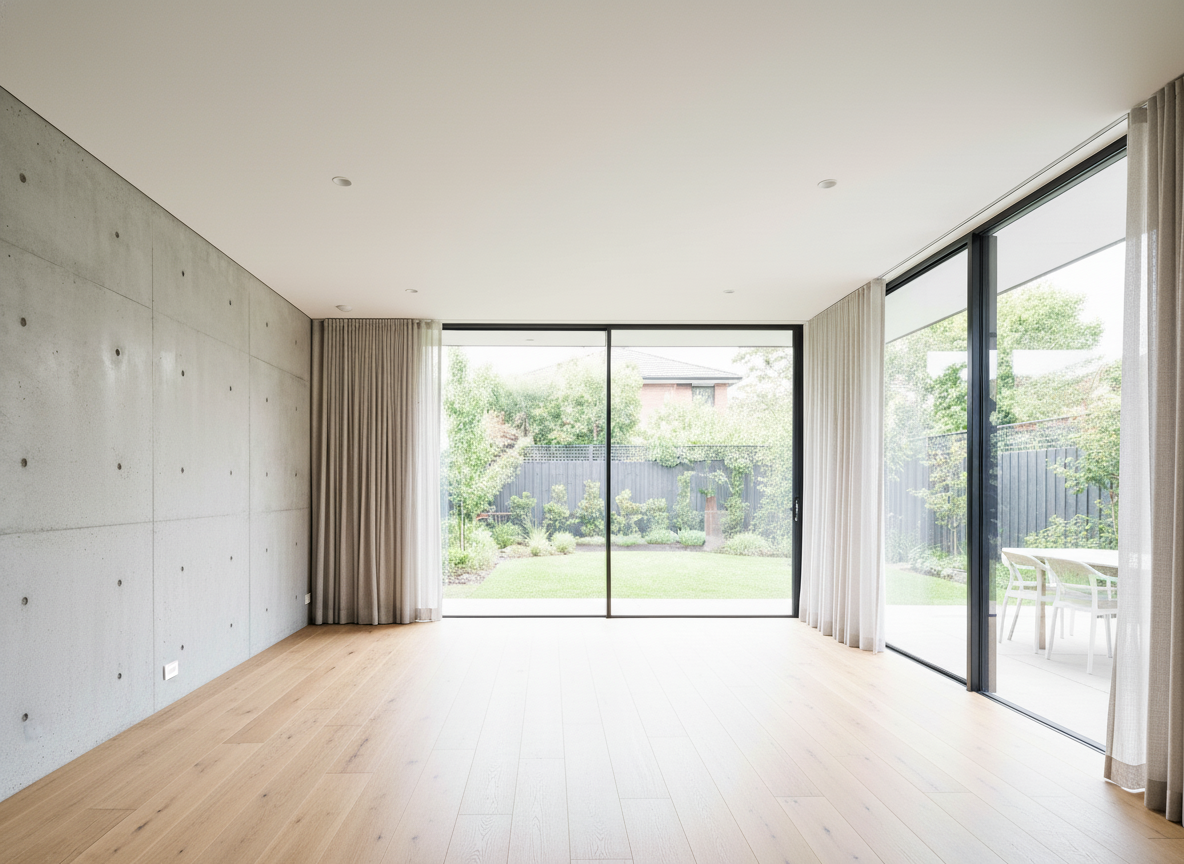
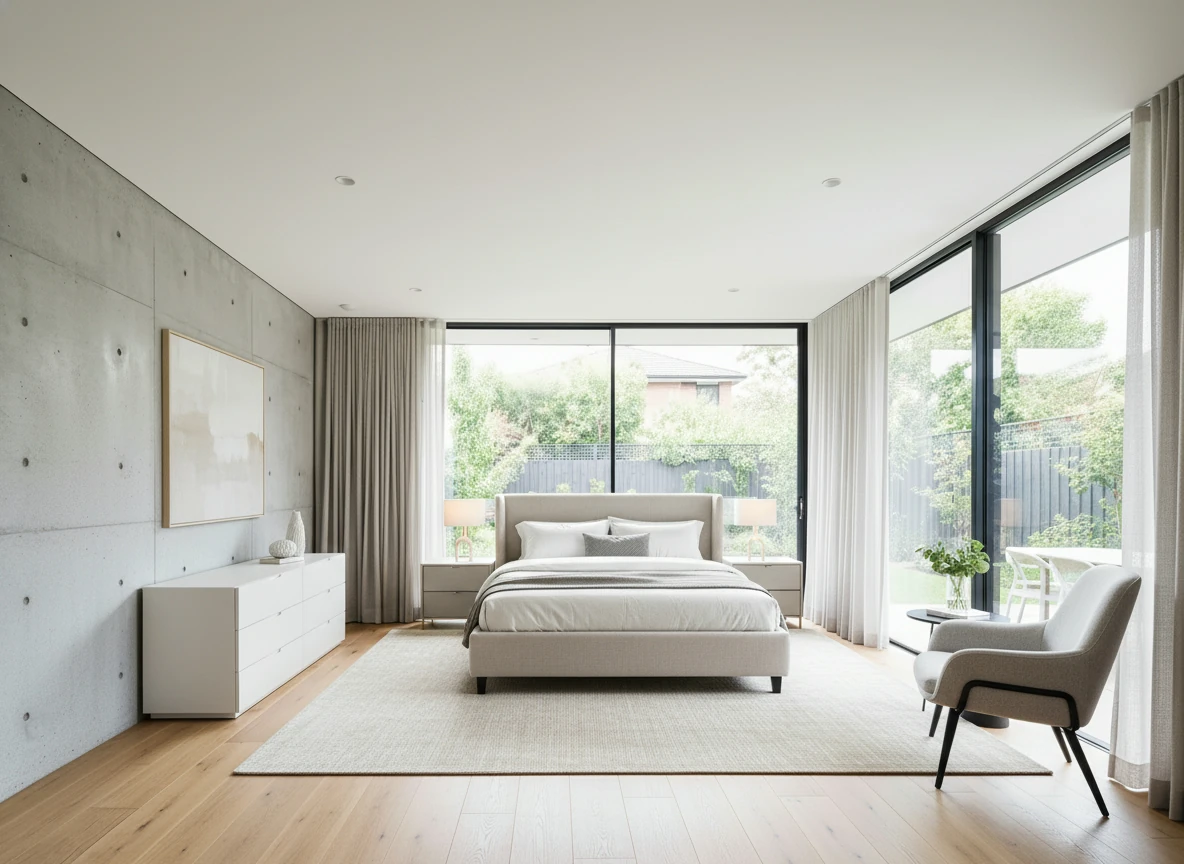
Virtual Staging • Modern • Bedroom
Example staged output used to illustrate how low-cost image production can support faster listing presentation and style testing.
Virtual Staging ROI Calculator (Simple Model)
Use these inputs:
- Images per listing (usually 6-12)
- Cost per staged image
- Current average days on market
- Expected day reduction after staging
- Daily carrying cost (mortgage interest, taxes, insurance, utilities, HOA)
Then calculate:
- Staging cost per listing = images × cost per image
- Speed value = expected day reduction × daily carrying cost
- Net value = speed value − staging cost per listing
- ROI = net value ÷ staging cost per listing
Worked Example (Base Case)
Assumptions:
- 9 staged images
- $0.30 per image
- 8-day faster sale pace
- $95/day carrying cost
Results:
- Staging cost per listing = 9 × $0.30 = $2.70
- Speed value = 8 × $95 = $760
- Net value = $760 − $2.70 = $757.30
- ROI ≈ 280x
The exact multiplier will vary by market, but for most active markets, staging cost is tiny compared to carrying cost exposure.
Break-Even Check (The Number Operators Need)
Break-even day savings tells you how much time reduction is required to justify spend.
Break-even days = staging cost per listing ÷ daily carrying cost
If your staging cost is $6 and carrying cost is $80/day, break-even is 0.075 days (about 1.8 hours).
That is why staging decisions should be evaluated at listing-operations level, not design-only preference.
Conservative / Base / Aggressive Scenario Table
| Scenario | Day reduction | Daily carrying cost | Staging cost/listing | Net value |
|---|---|---|---|---|
| Conservative | 3 days | $70 | $4.00 | $206 |
| Base | 8 days | $95 | $2.70 | $757.30 |
| Aggressive | 14 days | $110 | $5.00 | $1,535 |
This scenario framing is useful for brokers and team leads who need a defendable budget policy.
Where Most ROI Models Fail
- They ignore revision loops (one style rarely fits all buyer segments).
- They ignore speed-to-publish (hours vs days changes showing cadence).
- They assume all rooms have equal impact (they do not).
- They skip monthly planning (unit economics alone can hide process waste).
A better policy is to stage high-impact rooms first, test one alternate style, then publish within the same day.
Practical Operating Playbook for Faster Sales
- Stage living room, primary bedroom, and kitchen first.
- Set one default style by submarket, then test one variant only.
- Cap revisions by rule (for example: max two passes before publish).
- Track cost per listing and median DOM delta monthly.
- Escalate to manual design only for high-value exception listings.
For full pricing benchmarks and package strategy, start with the Virtual Staging Cost Guide.
You can also benchmark unit economics with this deeper breakdown: Per Photo, Per Listing, Per Month Cost Model.
If you are evaluating vendors, use this comparison page: Best Virtual Staging Companies.
CTA: Run a 30-Day ROI Pilot
If you want a real answer for your market, run a 30-day pilot:
- Stage every eligible listing with the same policy
- Track publish speed and DOM delta
- Compare against prior 30-day baseline
Start with low-risk testing through the Free Virtual Staging Trial.
FAQ
Is virtual staging ROI always positive?
No. ROI depends on execution quality and whether staged images are actually used in listing flow quickly. Poor photography or delayed publishing can erase benefits.
Should I measure ROI per room or per listing?
Per listing first. Room-level metrics are useful later, but listing-level economics align with brokerage decisions.
What if my market has low carrying costs?
Use the same calculator. Lower carrying costs reduce speed value, but virtual staging can still be justified if it improves click-through and showing volume.
How many images should I stage for ROI testing?
Usually 6-12 images is enough for a meaningful pilot. Prioritize the three highest-impact rooms before expanding.
Does this replace physical staging completely?
Not always. Many teams use AI-first by default and reserve physical/manual staging for premium properties where in-person experience is part of strategy.