Virtual Staging Disclosure Rules: MLS & Legal Compliance (2026)
Quick answer: Virtual staging is legal in the United States as long as you disclose that the image is digitally altered and you don't misrepresent the property's actual structure. In practice that means labeling every virtually staged photo (e.g. "Virtually Staged"), keeping walls, windows, and fixed features unchanged, and — in California as of January 1, 2026 — making the original unaltered photo available under the new AB 723 "altered image" law.
This article is general guidance, not legal advice. MLS rules and state laws vary and change — always confirm the exact requirements with your local MLS and, where needed, a qualified attorney.
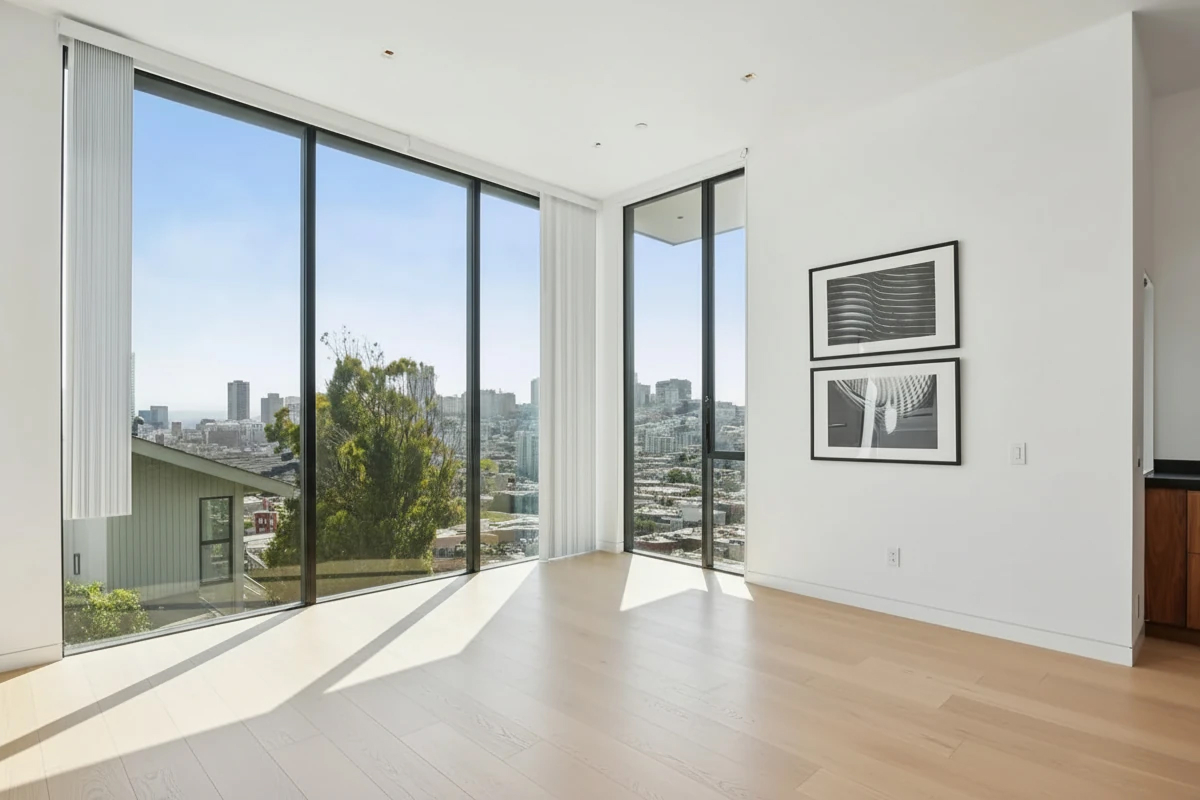
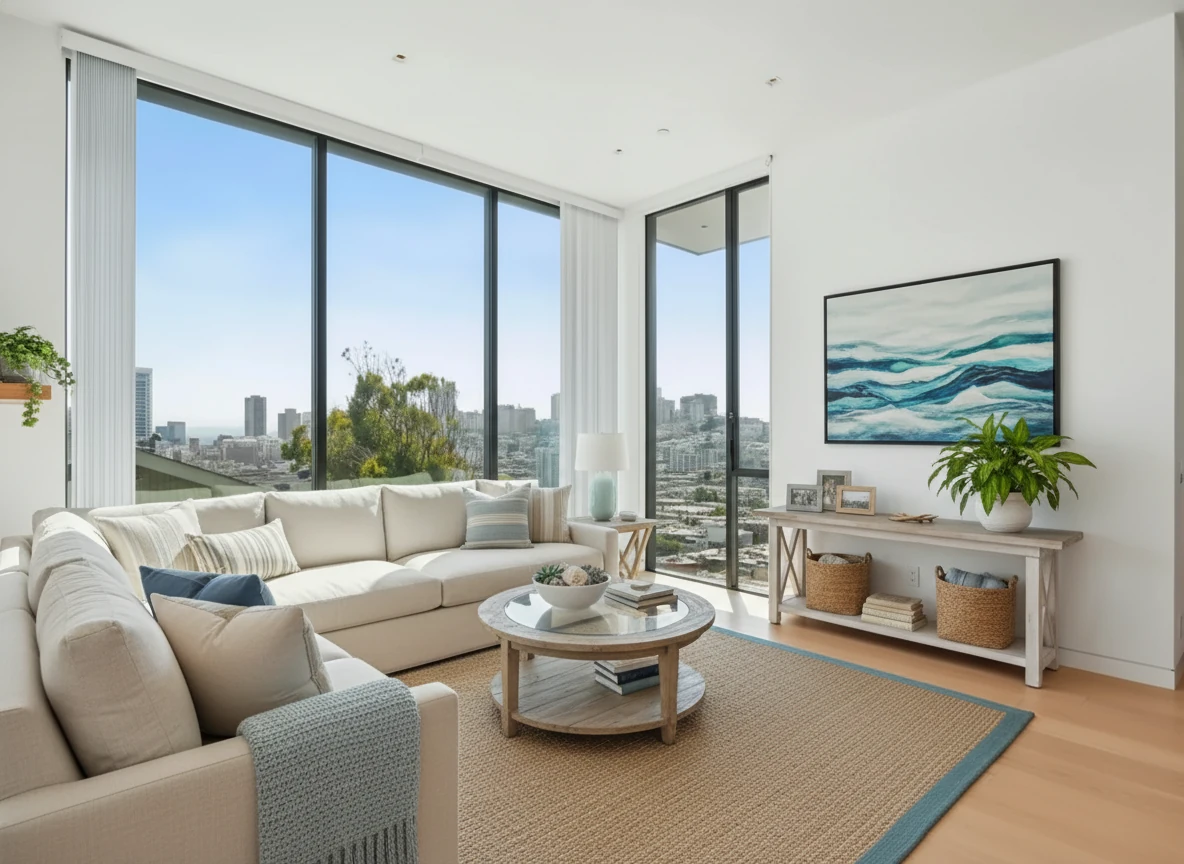
Virtual Staging • Coastal • Living Room
Is virtual staging legal?
Yes. Virtual staging — digitally adding furniture and decor to a listing photo — is a widely accepted real estate marketing practice. It only becomes a problem when it's undisclosed or used to misrepresent the property (for example, hiding a defect, removing a permanent fixture, or changing the room's real dimensions).
Two rules apply almost everywhere:
- Disclose it. Make clear that the photo is digitally staged/altered.
- Don't change reality. Stage furniture and decor only — never alter walls, windows, flooring, square footage, or hide property defects.
NAR Code of Ethics: present a "true picture"
For REALTORS®, the governing standard is the NAR Code of Ethics, Article 12, which requires members to be honest and truthful in their advertising and to present a true picture in their marketing communications. Virtually staged photos are acceptable under Article 12 when they're clearly identified as digitally altered so a consumer is not misled about the property's actual condition.
MLS rules: label every virtually staged photo
Beyond NAR ethics, the MLS you publish to has its own rules — and essentially all major MLSs require some form of disclosure on virtually staged or digitally enhanced photos. The exact mechanism varies by board, but it's usually one (or both) of:
- A watermark or on-image label such as "Virtually Staged."
- A note in the photo description / remarks field identifying the image as digitally altered.
For example, CRMLS (the largest MLS in the U.S.) requires you to label the digitally enhanced image in the photo description field, using terms like "digitally enhanced," "digitally altered," or "virtually staged."
Always check your own MLS's published rule — wording, placement, and whether a watermark is mandatory differ from board to board.
California AB 723 — the big 2026 change
California's Assembly Bill 723 ("digitally altered images: disclosure") takes effect January 1, 2026, and it's the most specific virtual-staging law in the country. It applies to brokers, salespersons, and anyone acting on their behalf who creates California MLS listings.
What counts as a "digitally altered" image
An image is altered if photo-editing software or AI has been used to add, remove, or change elements in the photo — such as adding furniture or appliances (i.e. virtual staging).
Exempt are ordinary edits that don't change how the property is represented: lighting, sharpening, white balance, color correction, angle, straightening, cropping, and exposure.
What AB 723 requires
- Conspicuous disclosure. Clearly label the altered image — e.g. "Digitally Altered," "Digitally Enhanced," or "Virtually Staged."
- Make the original available. The unaltered version of the photo must be available to consumers. Under CRMLS's implementation, the original must appear in the listing immediately before or after the digitally enhanced image.
Penalties
Enforcement is just beginning. CRMLS, for instance, notes there is no fine at launch, but its Rules Committee will revisit fines in 2026, and violators will be contacted by compliance to correct the listing. Beyond MLS enforcement, undisclosed alteration can expose you to misrepresentation claims — so treat disclosure as mandatory.
How to disclose virtual staging correctly (checklist)
- Label every staged image — watermark and/or a note in the photo description ("Virtually Staged").
- Keep the structure real — don't move or remove walls, windows, doors, built-ins, or flooring; don't hide defects.
- Keep the original — retain the unaltered photo and, where required (e.g. California), publish it alongside the staged version.
- Use furniture/decor only — staging should help buyers visualize the space, not change what they're buying.
- Check your MLS rule before you publish, and re-check when boards update policies.
- Confirm state law if you operate in California (AB 723) or other states adopting similar rules.
A purpose-built virtual staging tool helps here: because it stages furniture and decor while preserving the room's real structure, the output stays within these disclosure boundaries by design (you still add the required label).
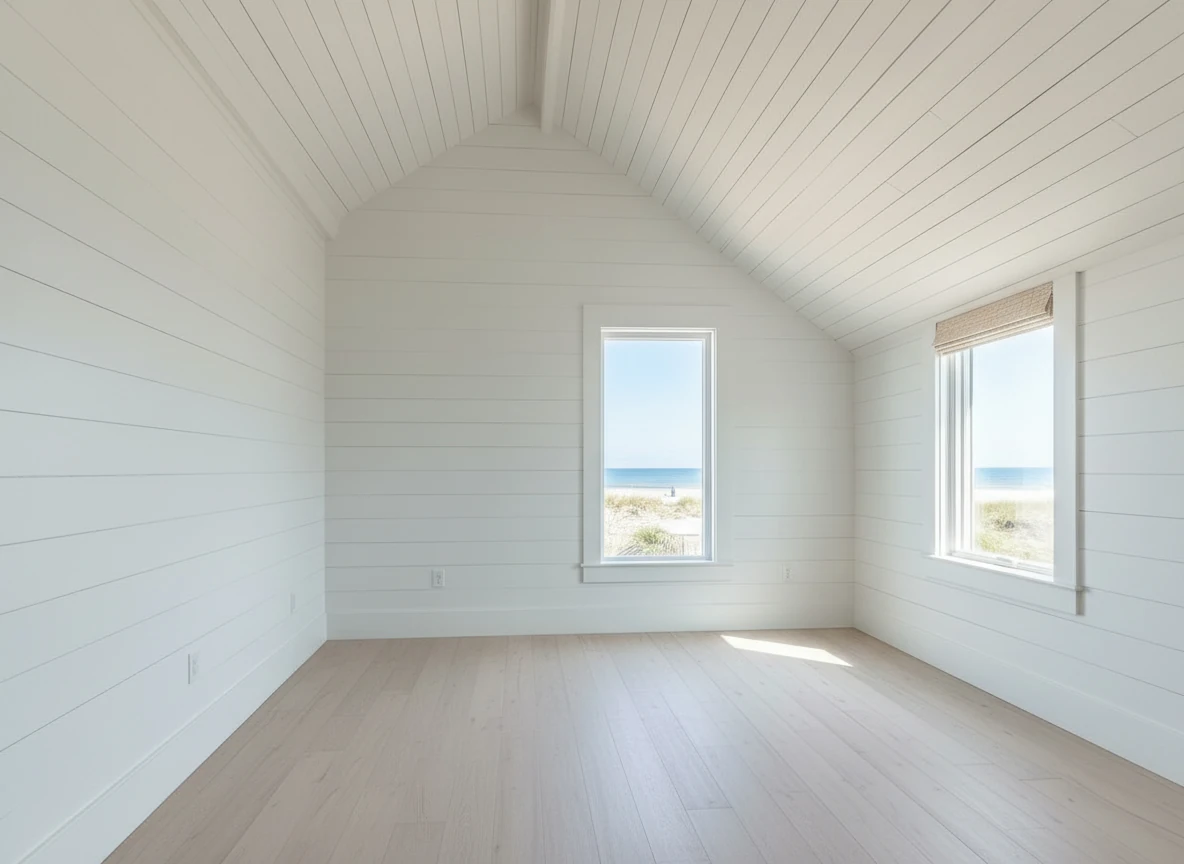

Create a photo of the same bedroom, virtually staged in a Coastal style. Include a light wood bed frame against the wall on the left, white and blue bedding, a jute rug under, and nautical-themed decor. A chair against the corner to the right. Some paintings on the wall, and a 1-2 green plants around the room, and a ceiling light in the middle of the room
What you must never do
- Remove or move permanent features (walls, windows, fireplaces, built-in cabinetry).
- Hide defects — cracks, water damage, dated fixtures you don't want shown.
- Change the size or proportions of a room.
- Add features the property doesn't have (a fireplace, a view, an extra window).
- Publish staged photos without any disclosure.
All of the above can cross from "marketing" into misrepresentation.
FAQ
Is virtual staging legal in the US?
Yes — as long as it's disclosed and doesn't misrepresent the property. Virtual staging that adds furniture and decor while keeping the room's real structure is widely accepted; undisclosed alteration or hiding defects is not.
Do I have to disclose virtual staging?
Yes. The NAR Code of Ethics (Article 12) requires a "true picture," and essentially all MLSs require virtually staged photos to be labeled — typically a watermark and/or a note in the photo description. In California, AB 723 makes disclosure a legal requirement as of January 1, 2026.
How do I label a virtually staged photo?
Add a clear label such as "Virtually Staged" or "Digitally Altered" — as a watermark on the image and/or in the MLS photo description field. Follow your MLS's specific wording and placement rule.
What is California's AB 723?
A law effective January 1, 2026 requiring California real estate listings to disclose digitally altered images (including virtual staging) and to make the original, unaltered photo available to consumers. Ordinary edits like brightness, cropping, and color correction are exempt.
Can I virtually stage and remove clutter or old furniture?
Yes — removing the seller's existing furniture/clutter and restaging is common and acceptable, as long as you disclose the image is digitally altered and you don't hide a defect or change the room's permanent structure.
Sources
- NAR — Code of Ethics & Standards of Practice (Article 12, truth in advertising): nar.realtor
- California AB 723 — official bill text (Real estate: digitally altered images: disclosure): leginfo.legislature.ca.gov
- CRMLS — AB 723 / Altered Image Law FAQs: kb.crmls.org
Feel free to cite this guide — a link back to this page (stagergo.com) is appreciated. Not legal advice.
Related Articles and Resources
- Virtual Home Staging Complete Guide – Virtual staging before and after, cost, tools, and AI vs traditional
- Virtual Staging Statistics 2026 – Sale-price, time-on-market, and cost data
- Virtual Staging Service Checklist – What to expect before you buy
- Virtual Staging Cost Guide – Full pricing breakdown per photo, per listing, and per month